About
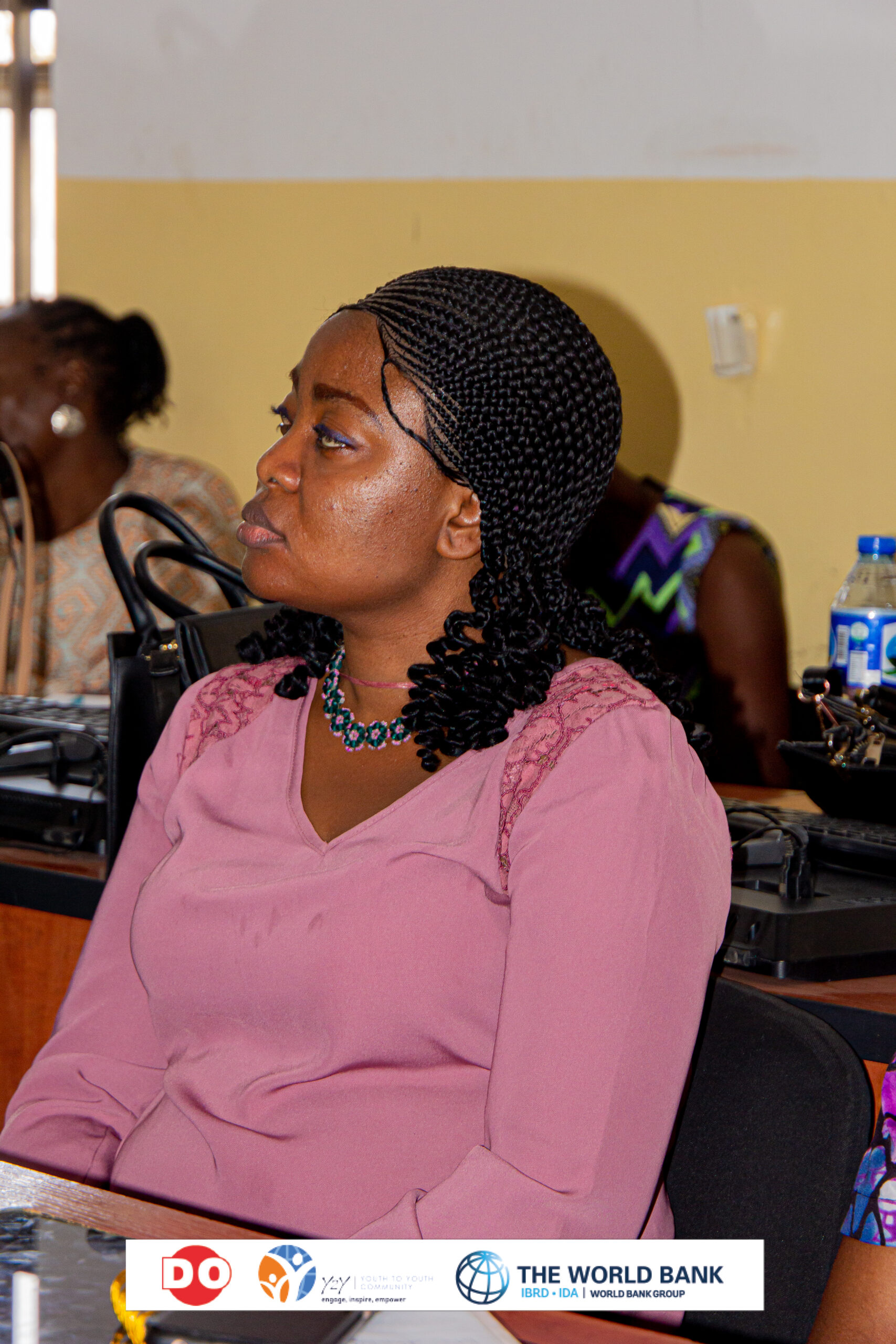
The SWEEP initiative is a bold step toward creating an inclusive economic landscape for Nigerian women. By targeting the challenges that limit their access to large-scale procurement opportunities, SWEEP is actively shifting the narrative and building a stronger, more resilient pipeline of women-led enterprises. The program not only helps women grow their businesses, it also opens doors to networks and institutions that would otherwise be out of reach. Read More
Mission and Vision
To empower Nigerian women entrepreneurs through affirmative procurement reform by providing capacity building, mentorship, stakeholder engagement, and advocacy aimed at reducing systemic barriers to procurement.
Objectives
The broad objectives of SWEEP were to increase the inclusion of women entrepreneurs in public and private sector procurement systems by equipping them through capacity building, specialized training in procurement procedures, financial planning, digital literacy, and business development. The program also aimed to influence institutional practices and policies.